Contaminated drinking water can contain disease-causing microorganisms or harmful chemicals. Clear water is not necessarily safe water. Understanding the source, treatment and storage matters more than appearance.

Diseases linked to contaminated drinking water
The World Health Organization links unsafe drinking water and poor sanitation with illnesses including diarrhoea, cholera, dysentery, hepatitis A, typhoid and polio. These are different infections, not a single disease with one treatment. Read the WHO drinking-water guidance.
What causes water contamination?
Contamination can happen at the source, during distribution or after collection. Faecal contamination introduces microorganisms. Chemicals can also enter water from natural deposits, agriculture or industrial activity. Safe storage and handling remain important after water has been treated.
What should you do if water may be unsafe?
Follow the current advice from your local water authority or public-health service. The appropriate response depends on the contaminant. Do not assume that one household treatment method addresses every kind of contamination.
If you become unwell
Do not use a bottled-water brand or a general online article to diagnose symptoms or choose medication. Seek medical advice if you suspect illness after consuming unsafe water. Severe diarrhoea or signs of dehydration need prompt medical attention. WHO explains cholera symptoms and the importance of timely care.
Choosing and storing bottled water
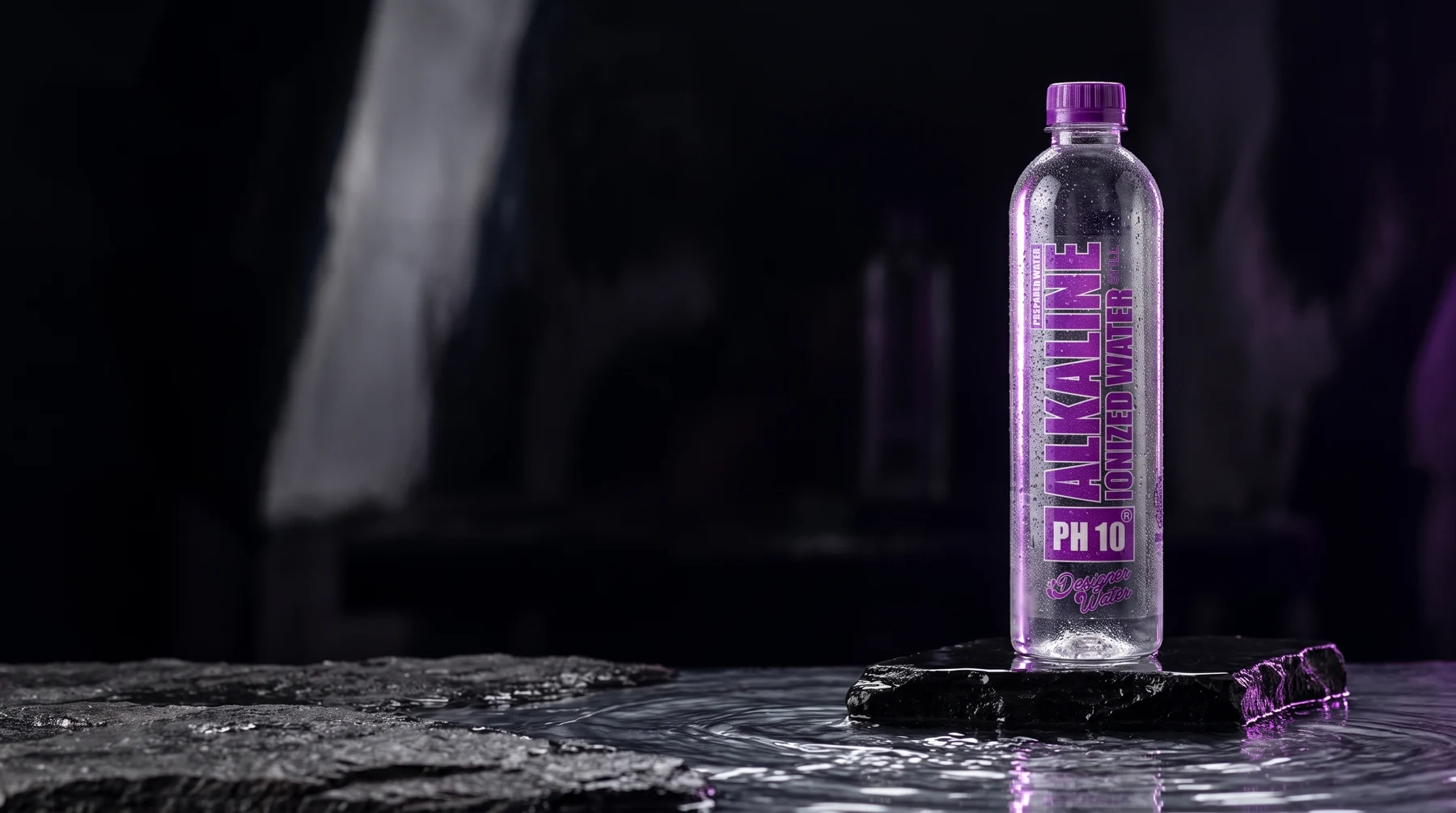
Check the product identity, seal and storage instructions. Keep bottles away from heat and direct sunlight and avoid contaminating the opening after use. Read about Designer Water quality and production and see the available bottle sizes. Product certification is not a promise to prevent or treat illness.