pH 10Tested every batchCalcium · Magnesium · PotassiumSANBWA certifiedISO 22000KosherHalaalBottled in MidrandSince 2013
pH 10Tested every batchCalcium · Magnesium · PotassiumSANBWA certifiedISO 22000KosherHalaalBottled in MidrandSince 2013
The basics
What water pH actually measures.
pH describes how acidic or alkaline water is. For everyday drinking-water comparisons, pH 7 is neutral and values above 7 are alkaline. The pH number alone does not tell you the mineral quantities in the bottle.
The scale runs from 0 to 14. Pure water sits at 7, right in the middle, and that is called neutral. Anything below 7 is acidic. Anything above 7 is alkaline.
The scale is logarithmic, not linear. Each whole step is ten times the one before it. Water at pH 8 is ten times more alkaline than water at pH 7. Water at pH 10 is a thousand times more alkaline than pH 7. That is why a jump from 7 to 10 is a much bigger change than it looks on paper.
10×
Per step on the scale
pH 10 is 1 000 times more alkaline than neutral water at pH 7
The scale
0 to 14. 7 is neutral. 10 is Designer Water.
Acids sit on the left. Alkaline liquids sit on the right. Most drinking water lands close to the middle. Designer Water sits at 10.
01234567891011121314
Acidic7 · Neutral10 · Designer WaterAlkaline
2 to 3
Lemon juice
Strongly acidic.
4.5 to 5.5
Coffee
Mildly acidic.
7
Pure water
Neutral.
pH 10
10
Designer Water
Alkaline. Tested every batch.
A quick note on your body. Blood pH is held between 7.35 and 7.45 by your own buffering systems, whatever you drink. The pH of your water is about taste, minerals and how the water was made. It is not a medical measure.
Common drinks
Typical water pH and where other drinks sit.
Ranges are typical values. Brands, batches and where you live all move the number a little. Test your own water if you want a precise reading.
Drink
Typical pH
Where it sits
Lemon juice
2.0 to 2.6
Strongly acidic
Cola and fizzy soft drinks
2.4 to 3.0
Strongly acidic
Orange juice
3.3 to 4.2
Acidic
Coffee
4.5 to 5.5
Mildly acidic
Tap water (typical guideline range)
6.5 to 8.5
Near neutral
Pure water
7.0
Neutral
Sea water
7.5 to 8.4
Slightly alkaline
Baking soda in water
8.0 to 9.0
Alkaline
PureSafe still water
8.5
Alkaline · purified still water
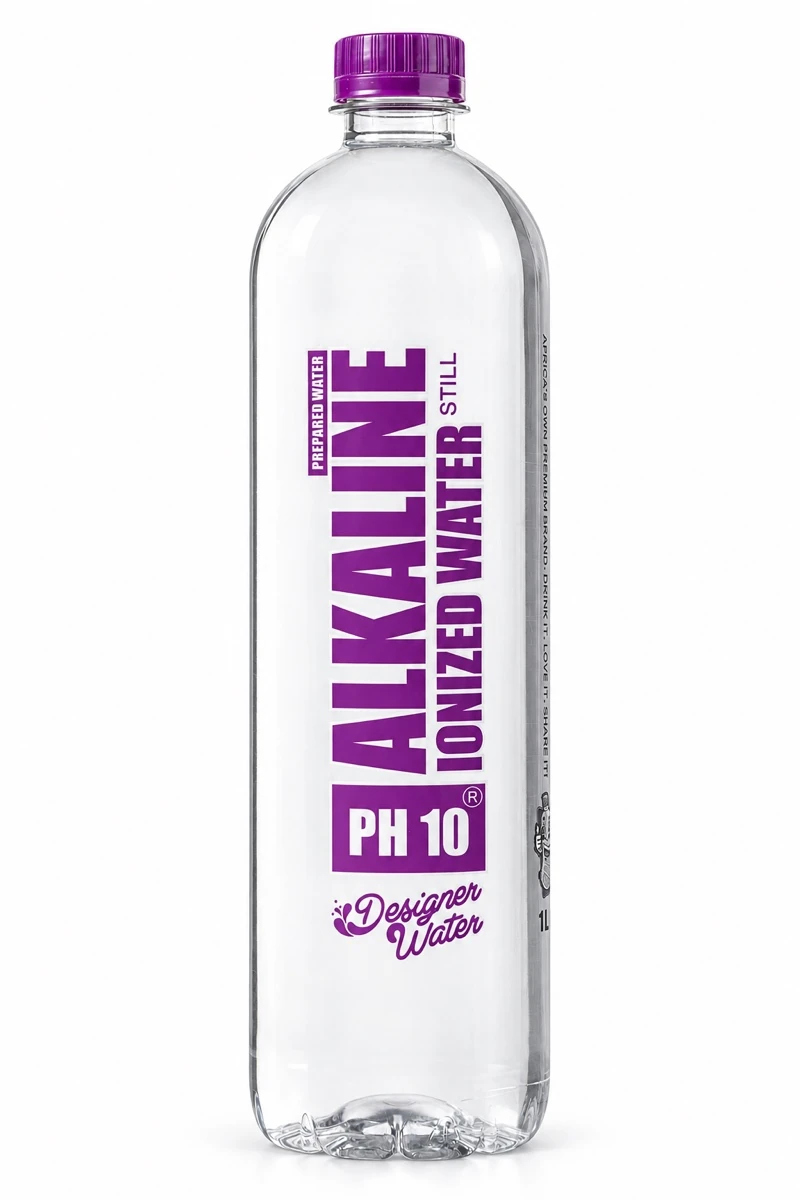
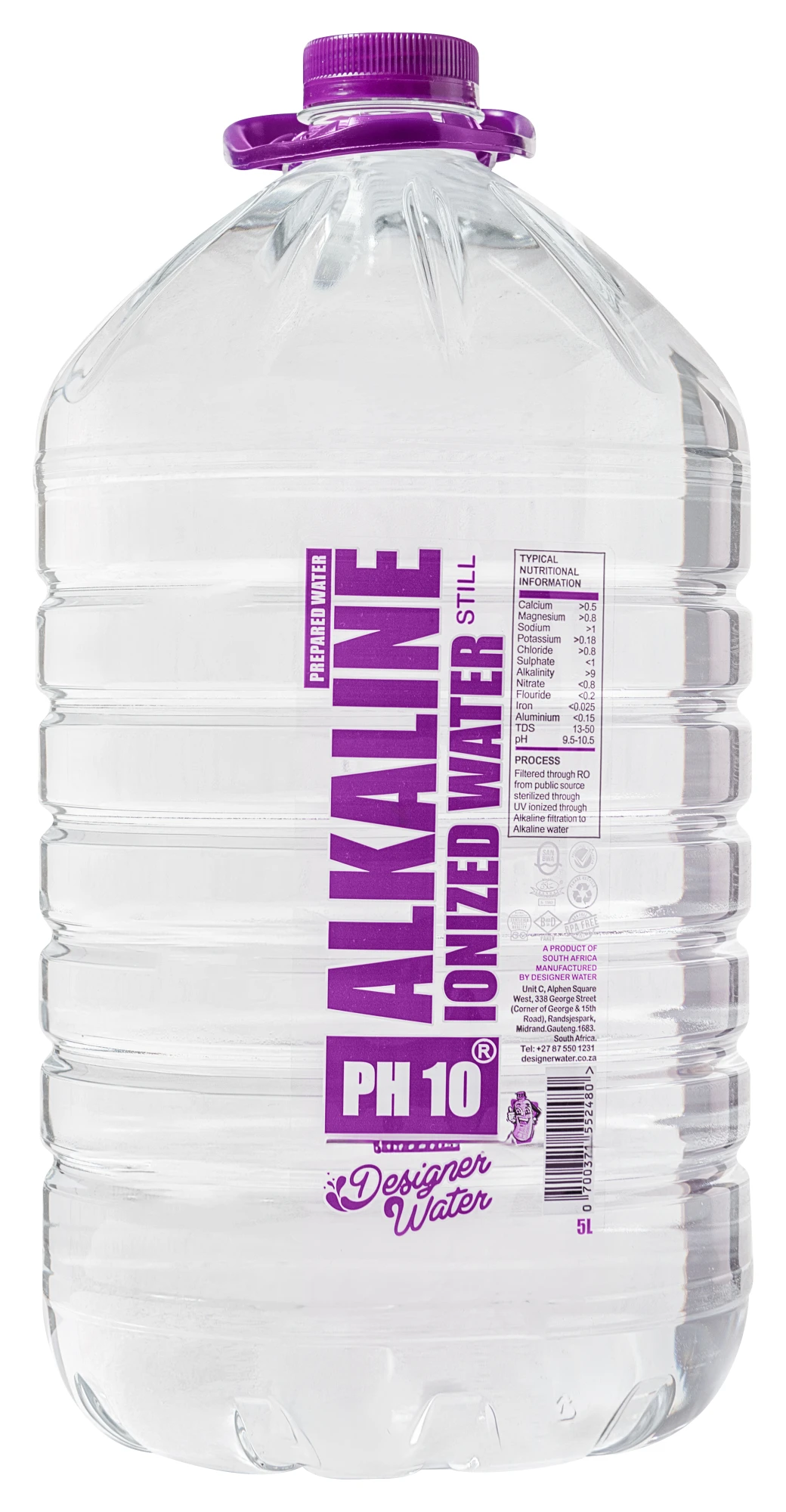
Designer Water pH10
10
Alkaline · tested on every batch
Sources: the typical drink ranges are standard reference values. The tap water range reflects common drinking water guidelines. Designer Water and PureSafe values are our own batch test results.
Why the number moves
Why water pH varies from tap to tap.
Two glasses of water can look identical and sit a full point apart on the scale. Four things do most of the moving.
01
The source
Rivers, dams and boreholes each pick up different minerals from the rock and soil they pass through. Borehole water that has moved through limestone tends to sit higher. Soft, low-mineral water tends to sit lower.
02
The treatment
Every metro handles its water differently. Chemicals added to clean and stabilise the supply shift the pH. In South Africa, the SANS 241 drinking water standard sets an acceptable range of 5 to 9.7 for tap water, so the spread between cities is real and allowed.
03
Dissolved minerals and gas
Calcium, magnesium and potassium push pH up. Dissolved carbon dioxide pushes it down, which is why fizzy water reads lower than the same water still. Take the minerals out, as reverse osmosis does, and the pH drifts toward or below neutral.
04
Time and temperature
Boiling drives off dissolved carbon dioxide, which nudges pH up for a while. As the water cools and takes gas back in from the air, it drifts back. This is why a reading from a freshly opened bottle is the one that counts.
How to test
How to test water pH yourself.
Three common methods, ranked from most to least reliable. Pick the one that matches how precise you need to be.
Most accurate
Accredited lab test
A laboratory measures pH with calibrated equipment under controlled conditions. It is what water producers use for batch verification. It is the gold standard, but it is not practical for a glass of water at home.
Best for: producers and formal batch records
Reliable at home
Calibrated digital pH meter
A digital probe meter gives a reliable reading if you calibrate it regularly with buffer solutions and rinse the probe between samples. Test at room temperature and read the number once it settles. This is the same type of instrument we use in our quality lab.
Best for: anyone who wants a real number at home
Unreliable on pure water
pH test strips
Cheap paper strips are made for liquids with plenty of dissolved solids, like pool water or urine. Very clean water has too little dissolved material for the strip to react properly, so the colour is faint and easy to misread. Strips are a rough guide at best.
Best for: a quick ballpark, not a verdict
pH
Three tips for a fair reading
Test from a freshly opened bottle, because pH drifts once the water sits open to the air. Let the water reach room temperature. And calibrate your meter before you start, because an uncalibrated meter will confidently give you the wrong answer.
How we reach and hold pH 10
Real minerals. Tested every batch.
Designer Water starts with a 14-stage purification process, then adds the minerals back in. The alkalinity comes from calcium, magnesium and potassium, not from a chemical shortcut. That is what makes the pH stable in the bottle.
Ca
Calcium
Raises and steadies pH
Added during the remineralisation stage. Calcium is one of the main reasons naturally hard water sits above neutral.
Mg
Magnesium
Adds to the mineral profile
Dissolved magnesium works alongside calcium to lift the pH and give the water its smooth, full mouthfeel.
K
Potassium
Completes the balance
Potassium rounds out the mineral mix. Check the label for the mineral analysis and follow the storage instructions.
14
14 stages, then a meter on every batch
Every batch is tested with a calibrated pH meter under our SANBWA and ISO 22000 protocols before it leaves the plant. The pH printed on the label is the pH in the bottle. Molecular hydrogen is infused and ORP is reduced at time of bottling. These are descriptions of our process, not health claims.
"You can taste the difference between this water and other brands. Like cheap wine vs award winning wine. My body loves this."
Nicola
Verified customer testimonial
"I struggled drinking water but I'm now a disciplined water drinker. I love drinking water."
Zukiswa
Verified Takealot review
96.9% preferred Designer Water in our company-run, sighted survey of 390 non-customer respondents. Testimonials reflect personal experiences.
pH10 · Cases from R211
Same pH 10 in every size.
Five sizes, all sold by the case. Delivered nationwide, or collect from Midrand or your nearest Master Distributor.
If you want a lower-pH purified water for the family, PureSafe sits at pH 8.5 and carries the same quality certifications and accreditations as pH10, from R138 a case.
Straight answers to the questions we get asked most.
What is the ideal pH for drinking water?
There is no single ideal number. Common drinking water guidelines put tap water roughly between 6.5 and 8.5, and South Africa's SANS 241 standard accepts 5 to 9.7. Where you land on the scale mostly changes taste and mineral content. If you prefer a smoother, mineral-rich water, a higher pH water like Designer Water at pH 10 is the usual choice.
What is the pH of Designer Water?
pH 10. Every batch is tested with a calibrated pH meter under our SANBWA and ISO 22000 protocols before it leaves the plant. The alkalinity comes from added calcium, magnesium and potassium, which is what keeps it stable in the bottle.
What is the pH of PureSafe?
PureSafe is our purified still water and sits at pH 8.5. It carries the same quality certifications and accreditations as pH10. Read about PureSafe.
Can I test water pH with strips at home?
You can, but expect a rough answer. Paper strips need plenty of dissolved solids to react properly, and very clean water gives a faint colour that is easy to misread. A calibrated digital pH meter is the only home-friendly way to get an accurate number.
Why does my tap water pH differ from a friend's in another city?
Municipal water comes from different sources, such as rivers, dams and boreholes, and each metro handles it differently. That changes the mineral profile and the pH. SANS 241 keeps everything inside 5 to 9.7, but the spread between cities is real.
Does boiling water change its pH?
Slightly, and only for a while. Boiling drives off dissolved carbon dioxide, which nudges the pH up. As the water cools and takes gas back in from the air, it drifts back toward where it started.
Is pH 10 water fine to drink every day?
Designer Water pH10 is a certified bottled water made for everyday drinking, and thousands of South Africans drink it as their daily water. It is water, not a medicine. If you have a medical condition or take medication that affects electrolyte balance, speak to a healthcare professional first. Read the full alkaline water guide.
Where can I buy Designer Water?
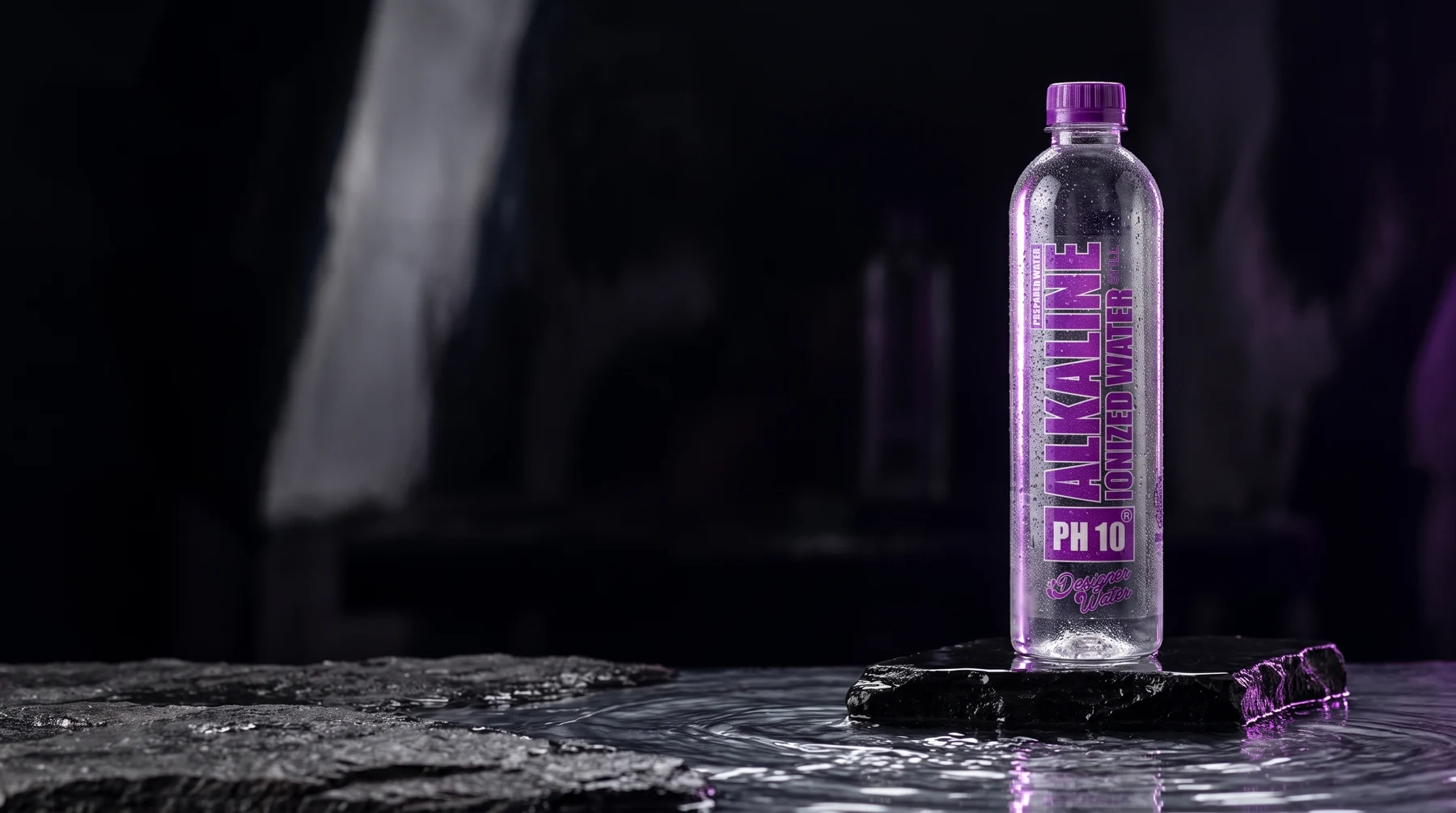
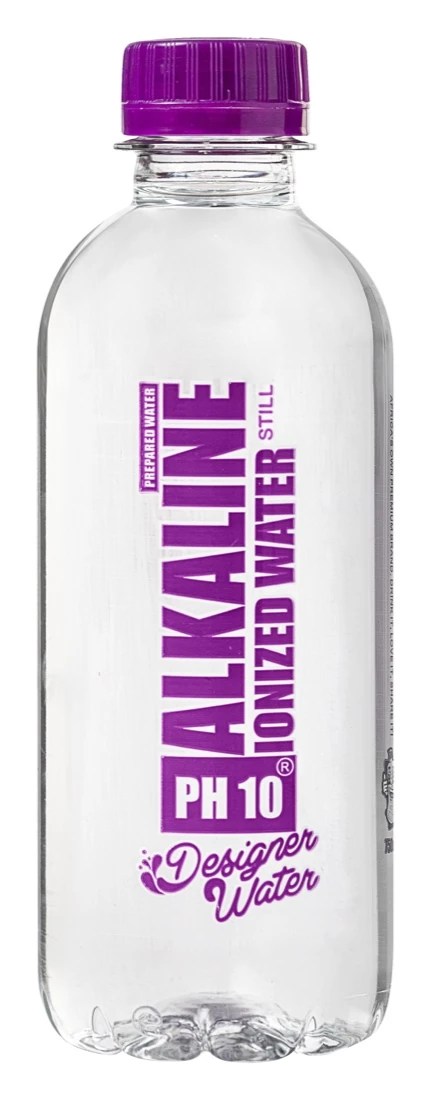
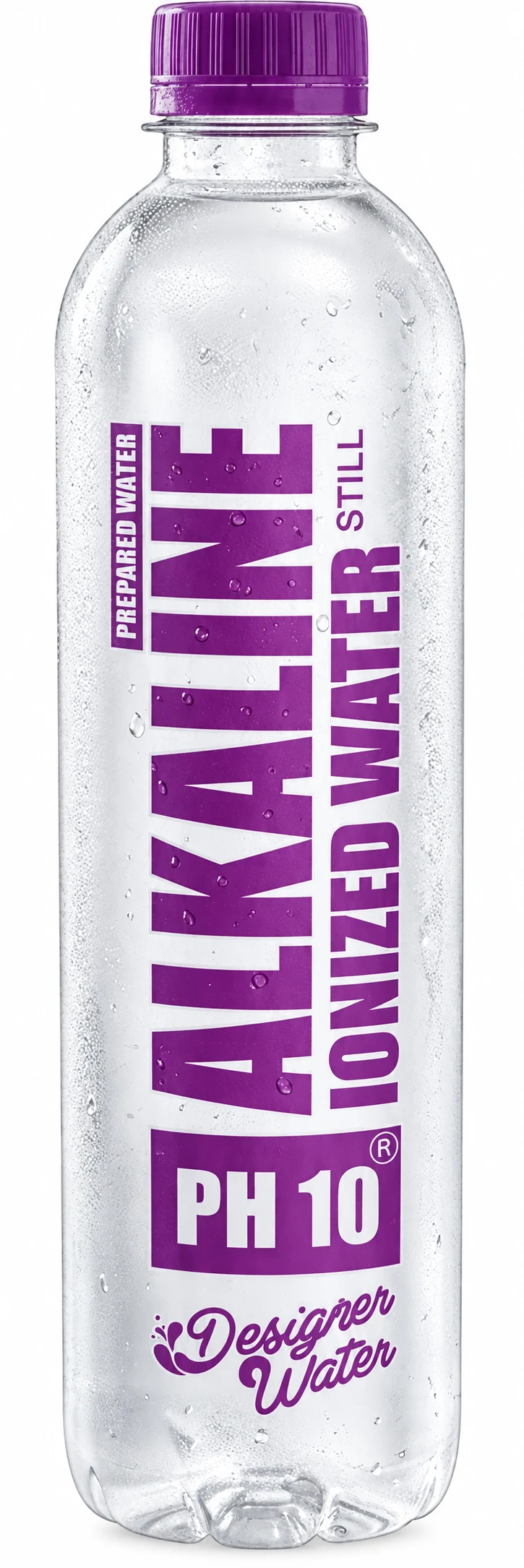
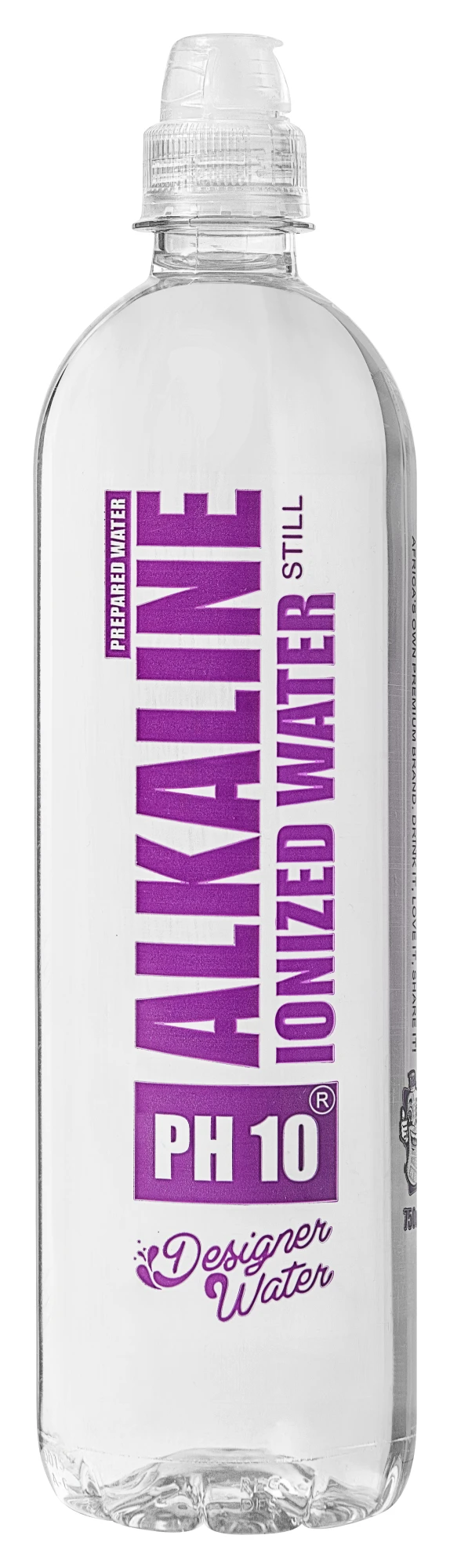
Online at designerwater.co.za, delivered nationwide, or from your nearest Master Distributor. Look for the purple cap. Sizes: 330ml, 500ml, 750ml, 1L and 5L, all by the case.
Verified, not guessed
pH 10 on the label. pH 10 in the bottle.
Tested on every batch. Calcium, magnesium and potassium in every glass. Quality certifications and accreditations. Cases from R211, delivered nationwide.
SANBWA · ISO 22000 · Kosher · Halaal · Made in SA · Since 2013
Dietary certification applies to the products listed in the current certificate register. SANHA lists pH10 still water in 330ml, 500ml, 750ml, 1L and 5L, and PureSafe in 500ml and 1.5L. The Kosher certificate covers pH10 alkaline ionized water and PureSafe still water; not Kosher for Passover.