Purified describes treatment. Alkaline describes pH. Water can be both. Compare Designer Water pH10 and PureSafe pH 8.5 by bottle size, minerals and price.
Alkaline vs purifiedpH10 alkalinePureSafe pH 8.5Same Midrand facilitySANBWA certifiedISO 22000KosherHalaalpH10 cases from R211PureSafe from R138 a caseSince 2013
Alkaline vs purifiedpH10 alkalinePureSafe pH 8.5Same Midrand facilitySANBWA certifiedISO 22000KosherHalaalpH10 cases from R211PureSafe from R138 a caseSince 2013
The 30-second explainer
Alkaline water vs purified water, in plain terms.
Purified describes how water is treated. Alkaline describes its pH. Water can be both: PureSafe is purified still water at pH 8.5, while Designer Water pH10 is our premium alkaline range.
Purified water · PureSafe
Cleaned, then balanced
pH 8.5Purified still
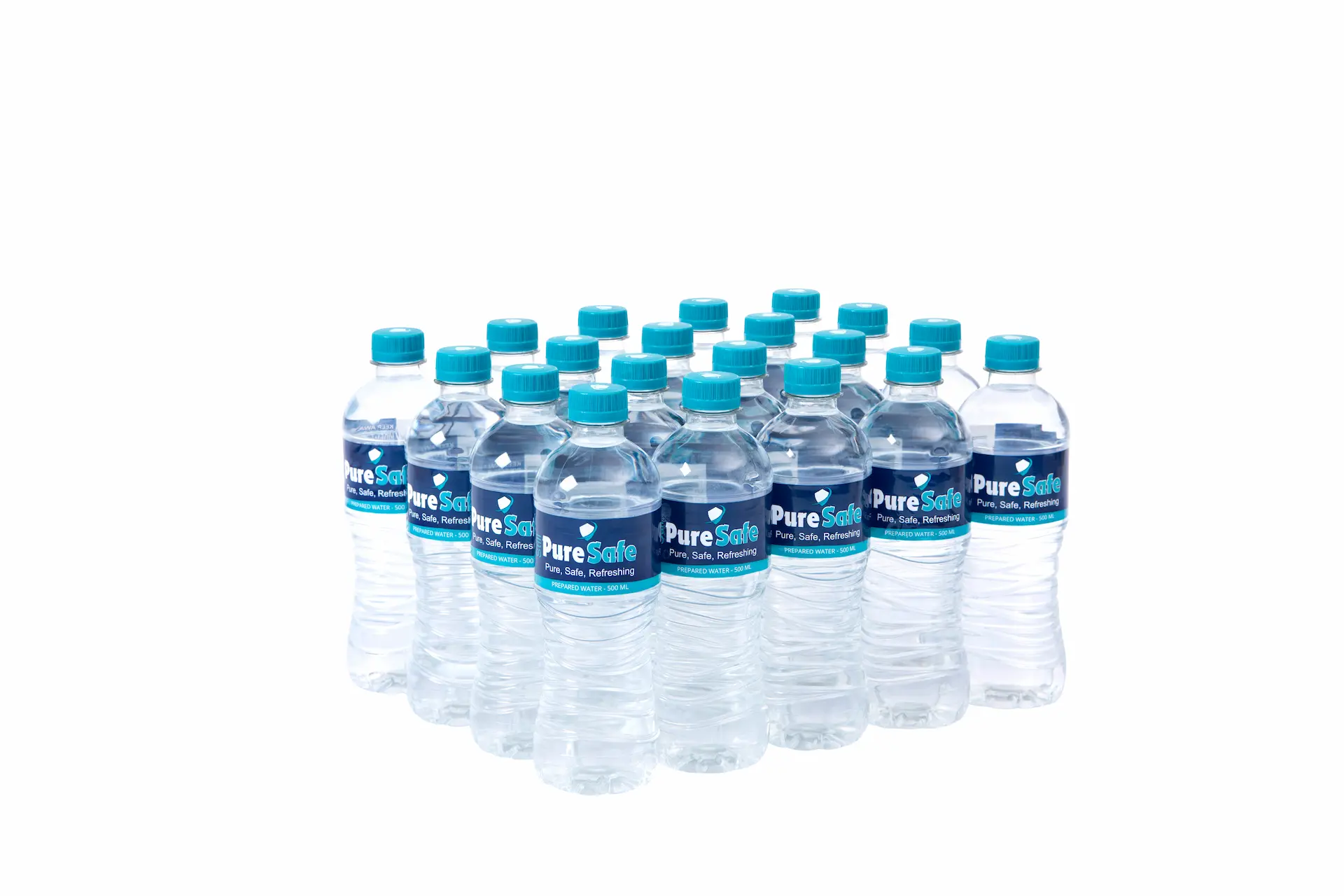
Purified water is water that has been put through a controlled process, usually reverse osmosis with filtration before and after, to remove sediment, chlorine, fine impurities and off-tastes. PureSafe is Designer Water's purified still water. It goes through 11 stages, then a balanced blend of trace minerals goes back in so it does not taste flat or clinical.
11-stage purification
Balanced trace minerals, pH 8.5
Clean, light taste for everyday volume
From R138 a case of 20 × 500ml
Alkaline water · Designer Water pH10
Cleaned, then mineralised
pH 10Alkaline
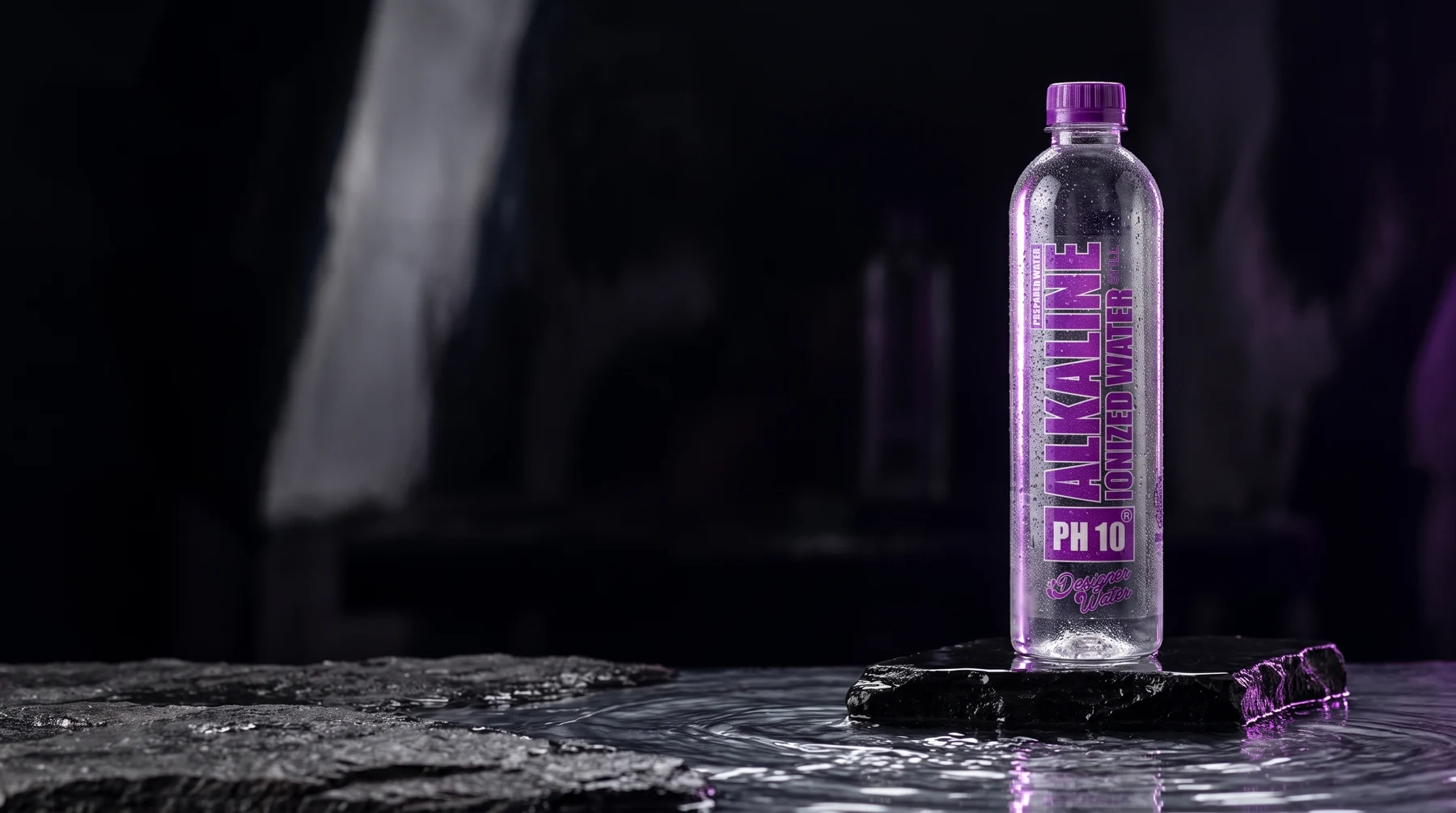
Alkaline water starts as purified water, then goes through controlled mineralisation. Calcium, magnesium and potassium are added at known levels, which lifts the pH to 10. Designer Water pH10 runs a 14-stage process that purifies first and mineralises second, with molecular hydrogen infused at the time of bottling.
14-stage process, purify then mineralise
Calcium, magnesium and potassium added, pH 10
Smoother, fuller taste. 96.9% preferred it
Cases from R211 (12 × 1L or 12 × 750ml)
How each is made
Same start. Different finish.
Both waters are bottled on the same line in Midrand under the same ISO 22000 food safety system. The early steps are shared. The last step is where alkaline water and purified water part ways.
01
Pre-filtration
Sediment and multi-media filtration take out particles, chlorine and the things you can see and smell.
Both waters
02
Reverse osmosis
Water is pushed through a fine membrane under pressure. Dissolved solids and most minerals are removed.
Both waters
03
UV and ozone
Light and ozone handle microbiological safety without adding chemicals. PureSafe gets its balanced trace minerals here and is bottled at pH 8.5.
Both waters · PureSafe is bottled
04
Mineralisation
Alkaline only. Calcium, magnesium and potassium are dosed at controlled levels to reach pH 10, and molecular hydrogen is infused at bottling.
pH10 only
Simplified for reading. PureSafe runs 11 controlled stages and pH10 runs 14. Every stage sits inside the same SANBWA-audited, ISO 22000 certified system, so the safety standard is identical for both. The difference is pH and minerals, not safety.
96.9%
Taste
Minerals are what you taste.
Reverse osmosis strips out the minerals that give water its mouthfeel. Put calcium, magnesium and potassium back at controlled levels and the water tastes smoother and fuller. That is the pH10 difference: 96.9% preferred Designer Water in our company-run, sighted survey of 390 non-customer respondents.
PureSafe sits on the lighter side. A balanced trace mineral blend keeps it from tasting flat, so you get clean, easy-drinking water at a volume price.
"You can taste the difference between this water and other brands. Like cheap wine vs award winning wine. My body loves this."
Nicola
Customer testimonial, on file (Designer Water pH10)
Taste test: Zoho Survey, July 2025, self-administered, respondents saw the brand name. Individual experiences. Results may vary.
Price
What each costs, by the case.
Purified water costs less because it skips the mineralisation stage. Here are the two entry points, priced as sold on this site.
Flagship
Designer Water pH10
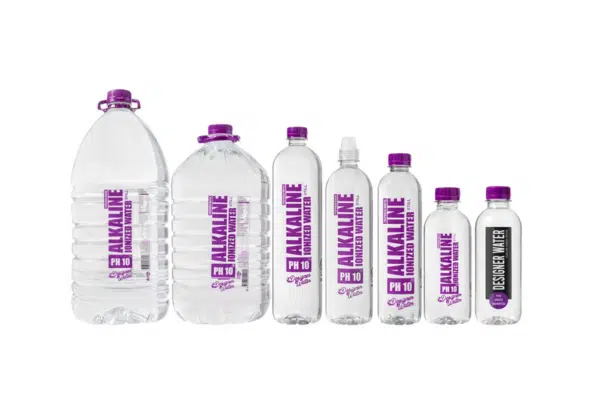
Alkaline water · Case of 12 × 1L or 12 × 750ml · Also 330ml, 500ml and 5L
Like for like on the 500ml: a pH10 case of 24 is R290 (R12.08 a bottle) and a PureSafe case of 20 is R138 (R6.90 a bottle). The cheapest pH10 per litre is the 5L case of 4 at R220, R11 a litre. Prices as listed on designerwater.co.za, September 2026.
Who each is for
Pick by the job, not the label.
Neither water is "better". One is built for volume, the other for the glass you sit down with. Match the water to the moment.
Offices
Boardroom to break room
Case supply for meetings, reception and the staff kitchen. PureSafe keeps the cost per bottle low. Put pH10 out for clients and the boardroom.
PureSafe for volume · pH10 for guests
Events and catering
Certified water on every table
Functions, conferences and catering need cases that arrive on time and carry real certifications. Both do. Budget decides.
PureSafe 500ml · pH10 for premium tables
Families
Fridge, lunchbox, sports bag
PureSafe 1.5L for the fridge and 500ml for lunchboxes at an everyday price. pH10 5L for the family who drink alkaline water daily.
PureSafe for everyday · pH10 5L for daily alkaline
Everyday vs premium
The glass you sit down with
If you want a defined mineral profile, a smoother taste and a higher pH as your daily water, pH10 is the one. If you want clean, certified water at the best price, PureSafe.
Still unsure? WhatsApp us on +27 68 628 4427. A real person replies within minutes during business hours.
Is alkaline water better than purified water?
Not better, different. Purified water gives you a clean, light product with most minerals removed and a balanced trace blend put back. Alkaline water gives you a defined mineral profile, calcium, magnesium and potassium, at a higher pH of 10. The right one depends on what you want from your bottled water and what you are paying per case.
Can purified water be made alkaline?
Yes, and that is how Designer Water pH10 is made. The 14-stage process purifies the water first, then adds calcium, magnesium and potassium at controlled levels to lift the pH to 10. The mineralisation step is the whole difference between the two products.
Why does purified water taste flat?
Because reverse osmosis removes the minerals that give water its taste and mouthfeel. Strip them out and you get clean but flat water. That is why PureSafe puts a balanced trace mineral blend back in, and why pH10 goes further with calcium, magnesium and potassium for a smoother, fuller taste.
Is PureSafe alkaline water?
No. PureSafe is purified still water with a pH of 8.5. Designer Water's alkaline product is pH10, with a pH of 10 and added minerals. Both are bottled at the same Midrand facility.
Is one safer than the other?
No. Both are bottled under the same SANBWA audited, ISO 22000 certified system, and both carry the same quality certifications and accreditations: SANBWA, ISO 22000, Kosher and Halaal. The safety standard is identical. The difference is pH and minerals.
Why does alkaline water cost more?
The extra stages. pH10 runs 14 stages including mineralisation and hydrogen infusion, PureSafe runs 11. On the 500ml, a pH10 case of 24 is R290 and a PureSafe case of 20 is R138. pH10 cases start from R211 (1L or 750ml, 12 bottles), and the 5L case of 4 is R220, R11 a litre.
Which should I buy for an office or event?
For volume, PureSafe 500ml at R138 a case. For client-facing tables and boardrooms, pH10. Many offices run both. Order cases online, or WhatsApp +27 68 628 4427 for bulk quantities. Water orders are delivered across South Africa, or collected free from Midrand or your nearest Master Distributor.
One line. quality certifications and accreditations. Two waters.
Pick your water.
The smooth, mineralised taste of pH10 from R211 a case, or clean PureSafe purified still from R138 a case. Both from the same certified Midrand facility.
Bottled in Midrand, South Africa · SANBWA certified · company founded 2013
Dietary certification applies to the products listed in the current certificate register. SANHA lists pH10 still water in 330ml, 500ml, 750ml, 1L and 5L, and PureSafe in 500ml and 1.5L. The Kosher certificate covers pH10 alkaline ionized water and PureSafe still water; not Kosher for Passover.